Selected projects
Reuters Institute: Masterclass on AI, Journalism & Society (2026)
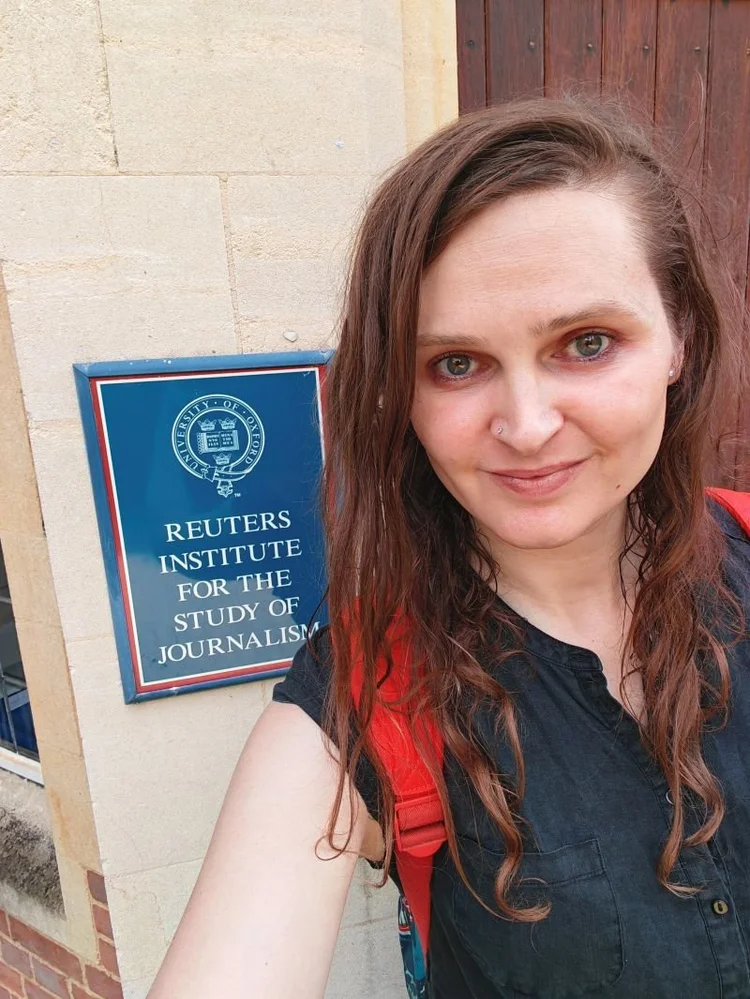
The closing session on AI and the arts for an international group of journalists and editors at the Reuters Institute for the Study of Journalism, University of Oxford.
Capabilities: Talk design · Sector research and synthesis · Group discussion
Engagement: Invited speaker for the Reuters Institute’s Masterclass: AI, journalism & society (22 to 25 September 2026), delivered in person in Oxford as the final session of the programme.
The challenge
The Reuters Institute runs its masterclass for reporters and editors who cover the societal consequences of AI. Across the week, speakers covered data centres, the economy, sport, education, healthcare and news audiences. The lead organiser wanted the relationship between AI and the arts in the programme too. Few journalists now cover a single area of culture, so the brief asked me to look across the arts, including music, film and TV, at the stories already in the news and the ones that deserve more attention.
The approach
I built the session as a series of widening circles. It started with my own early experiments and the moment I realised AI would affect arts and culture. It then moved to the questions artists and practitioners bring to my sessions, including how emotion shapes what people feel comfortable doing with AI.
From there I widened the focus to organisations. I used a heritage organisation’s experiment animating the characters in its collection, and Art Fund’s AI guidelines, as examples of how organisations test AI and set rules for it. The last circle looked at international action: a University of Toronto tracker of cultural workers’ campaigns, strikes and protests about AI, which listed 234 organisations by 2026, with examples from the UK, Europe and the US, including Equity’s vote on AI protections. I also pointed to the people behind these campaigns as possible sources for journalists.
Ten days before, I went through the material with the lead organiser, who moderated the sessions across the week. We kept the copyright section, since court cases make it a current news story. To leave more room for questions, we cut two examples and kept a short AI video made with a workshop group, which narrates a street as if it were a museum masterpiece, and a game by an artist using AI to explore trauma in her work, who had never used AI before and made it in one hour.
The discussion
The group was small and international, with more editors than reporters, many of them assignment editors who decide what their newsrooms cover. Participants asked about AI bias and beauty standards, artists who use AI in mixed ways without always saying so, how organisations’ AI policies change over time, and the international movements I had shown.
The impact
After the session, I followed up one to one with some of the participants, and I continue to offer them reflections and signposting as part of my wider network. The lead organiser has also offered to look for another opportunity for me to speak at the Institute, and to share my events and workshops with its journalists.
Related services:
Book Jocelyn to speak