Approach
The core principle of my approach is that AI learning should increase people’s agency.
I am neutral about whether any particular AI tool will prove valuable for a person or organisation. Instead, I am strongly committed to helping people understand these technologies, test them safely, question the assumptions around them and reach their own conclusions. My approach combines self-directed learning, playful experimentation, constructive disagreement and a belief that the cultural sector must develop its own language around AI.
Neutral on adoption, committed to learning
Every participant brings a different combination of values, responsibilities, working practices, creative standards and ethical concerns. Two people doing apparently similar jobs may reach entirely different conclusions about the same technology.
I therefore describe my approach as pro-learning but neutral on the value of AI itself.
My role is to create the conditions in which people can explore, evaluate and decide for themselves. Some may discover uses they find genuinely valuable. Others may conclude that a tool produces poor work, conflicts with their values or has no appropriate place in a particular process.
AI literacy also extends beyond the tools a person or organisation chooses to use. It includes personal safety, recognising synthetic content and automated behaviour, responding to bots and manipulation, and working effectively in a landscape where audiences, customers, artists and creative communities are already being affected by AI.
This also means that people who are deeply critical of AI can engage without being placed inside an adoption exercise. Artists and cultural workers should be able to understand these systems, defend their rights and participate confidently in decisions about their work.
Understanding a technology does not create an obligation to use it.
Play before application
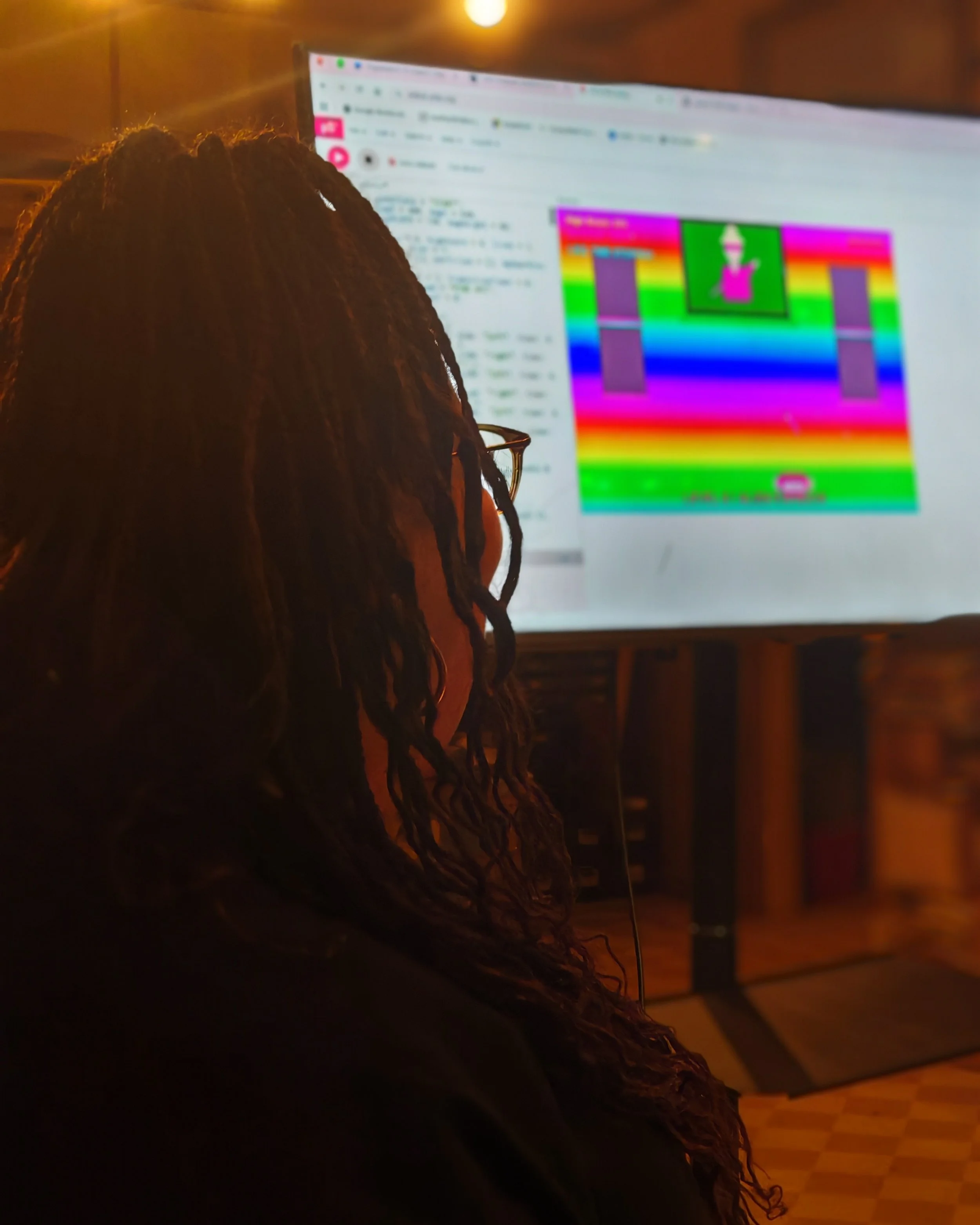
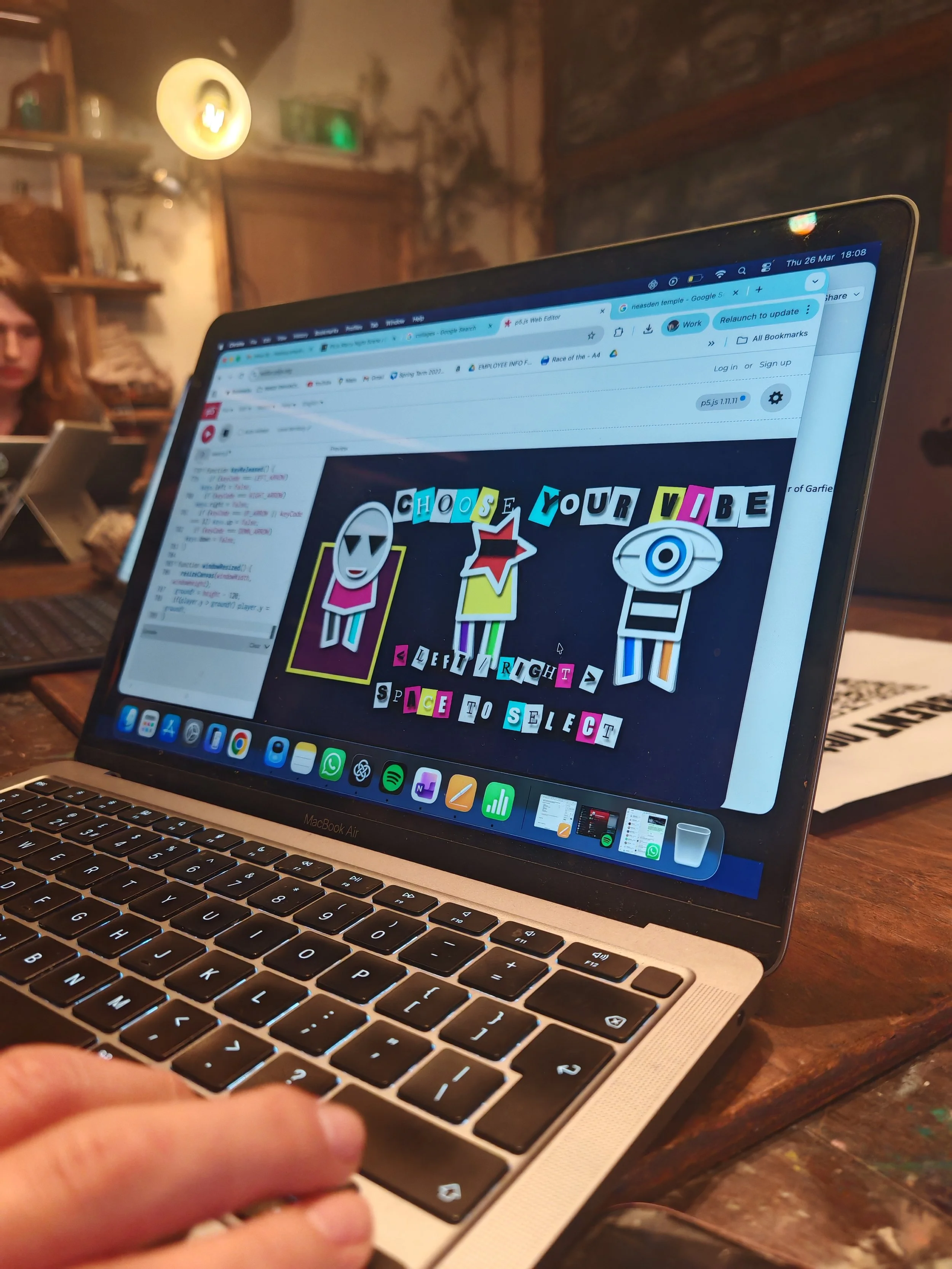
Playfulness lowers the stakes around AI. It gives people permission to be curious, critical, experimental and occasionally silly. They can stress-test a tool, confuse it, investigate its limitations and notice their own reactions as they work. I encourage people to begin this exploration away from live projects and delivery pressures. When every experiment is framed as a potential workplace application, organisations can move too quickly towards implementation which can cause unintended harms.
Play creates useful distance between encountering a tool and deciding whether it belongs in someone’s work. Within that space, people can develop a more realistic understanding of its capabilities, weaknesses and consequences. Open-ended exploration can also reveal possibilities that a conventional tutorial would never reach, because nobody knew to look for them in advance.
Culture needs its own language for AI
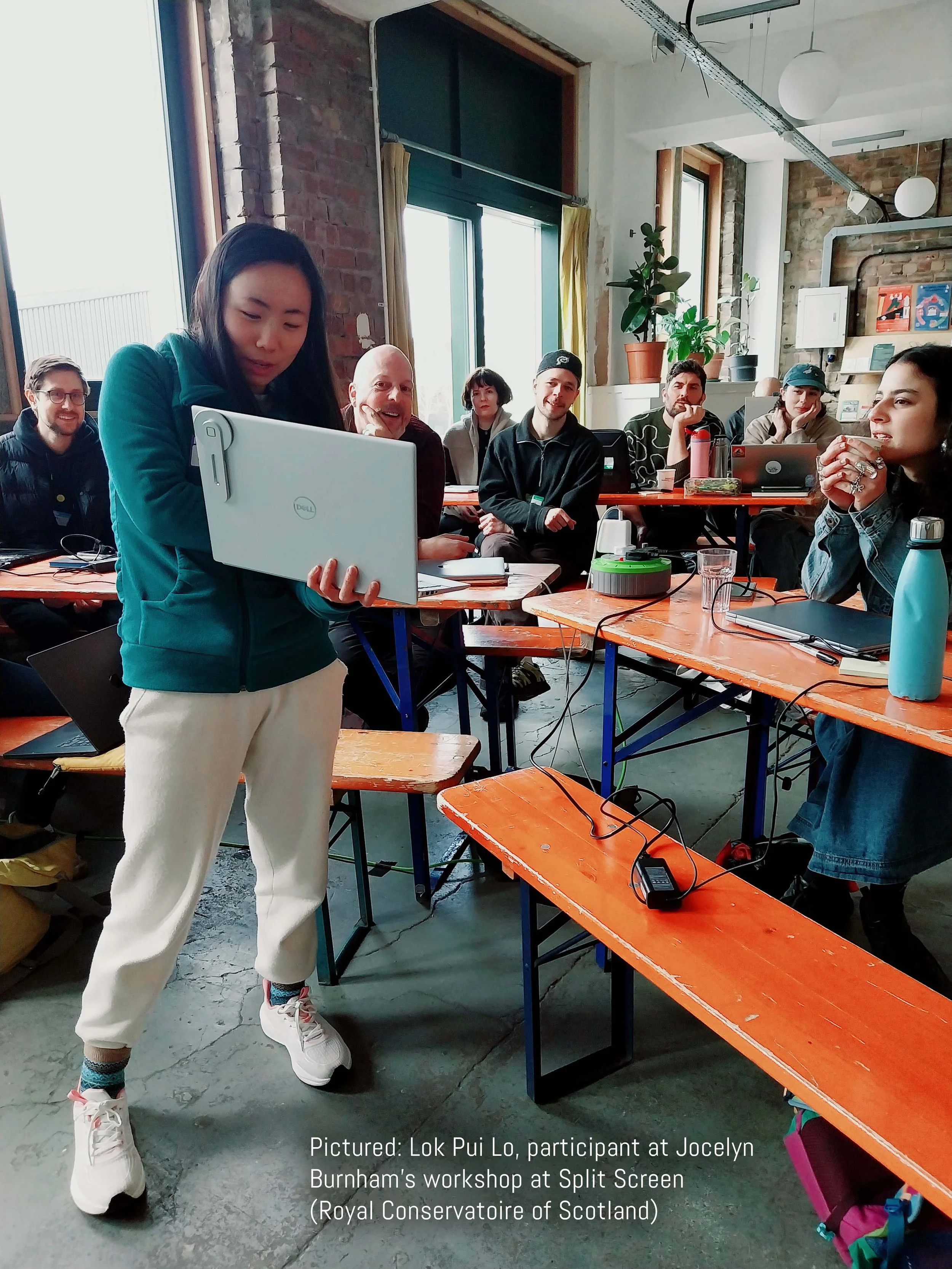
I came to AI through a career in arts and culture. My methodology has evolved through more than 100 workshops and learning programmes with cultural organisations, artists and creative communities. Part of my role is also curatorial - seeking out useful experiments, perspectives and resources created within the sector, and helping organisations learn from what their peers are discovering.
Many of the dominant stories about AI come from technology companies, business consultancies and government. Their language often centres efficiency, productivity, scale, automation and measurable output. Those concepts can be useful, although they represent only a narrow range of reasons why a cultural organisation might explore AI.
Arts and culture also deal with meaning, interpretation, emotion, public trust, artistic integrity, craft and the joy people find in their work. These qualities are difficult to express through frameworks designed primarily around efficiency.
Language also carries assumptions. When the cultural sector adopts the language of more powerful industries wholesale, it can absorb their definitions of progress, quality and value. The sector therefore needs its own experiments, case studies, collaborations, ethical discussions and red lines. Cultural organisations should have the confidence to ask which uses of AI support their work, which diminish it and which questions remain unresolved.
Learning that continues after the session
A successful learning experience should make further exploration feel possible without constant guidance from me. Participants already possess deep expertise in their art form, audiences, communities, collections, organisations and working practices. My role is to help them apply that expertise to AI.
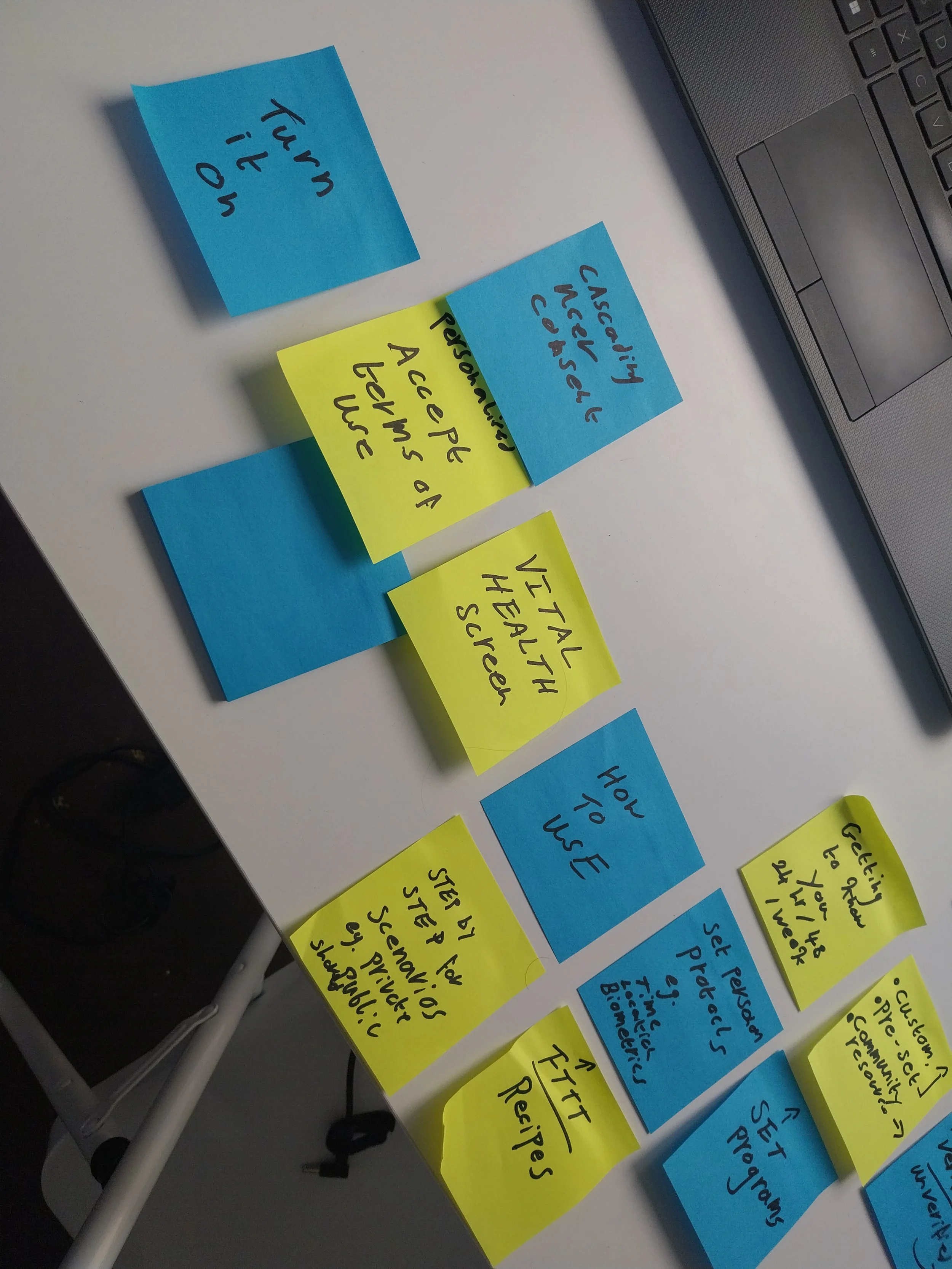
Sessions therefore include open-ended experimentation alongside shared information and examples. People are encouraged to pursue questions connected to their own interests and responsibilities, rather than reproduce an identical exercise with an identical result.
I want participants to leave able to design useful experiments, assess quality according to their own standards, identify risks and explain their position clearly to colleagues. The aim is lasting confidence and intellectual independence.
Making room for disagreement
A typical group may contain enthusiastic early adopters, cautious observers, people who feel threatened or exhausted by AI, and people who strongly oppose its use. All of those positions belong in the room.
I do not expect a group to arrive at a single view. Instead, I create space for people to express their interests, recognise their emotional responses and disagree constructively. This is an important part of AI literacy. Organisations will need to make decisions involving people with very different experiences of these technologies. The ability to represent your own concerns, listen carefully and work through disagreement is as important as understanding the tools themselves.
A facilitated session can become a small-scale version of the wider organisational conversation. Practising respectful disagreement there can improve how future decisions are discussed across teams, leadership groups and boards.
How I work with clients
Every project begins with a conversation. I want to understand who will be in the room, what discussions have already taken place, where people feel confident, where tensions may exist and what decisions the organisation is approaching.
I treat the initial brief as a starting hypothesis. A request for a demonstration of tools may reveal a need for shared language. A request for an AI strategy may first require practical experimentation. A group interested in efficiency may also need space to discuss creative quality, inclusion or public trust.
From there, I shape a session or programme around the organisation’s actual context. This usually combines carefully selected examples, practical exploration, discussion and reflection.
I resist cramming sessions with long lists of tools, rigid tutorials or confident predictions about the future. These can create the appearance of comprehensiveness while leaving people with little ability to make their own judgements.
What success looks like
At the end of a session or learning programme, I want people to feel more capable of participating in the decisions ahead of them. They should have better questions, a clearer understanding of their own position and a practical route for continuing to explore. They should feel able to challenge exaggerated promises, simplistic warnings and assumptions about what AI will inevitably mean for their work.
Over time, success might mean that an organisation designs more thoughtful experiments, establishes clearer red lines, involves a wider range of voices or develops collaborations that reflect the needs of the cultural sector.
A participant may discover an exciting use for AI. They may decide that it offers little value for their work. Both can be rigorous and worthwhile conclusions. The most important result is that the conclusion belongs to them.
If you’d like to learn more about the types of services I offer, click here.