Recent AI work across arts and culture, spring 2026
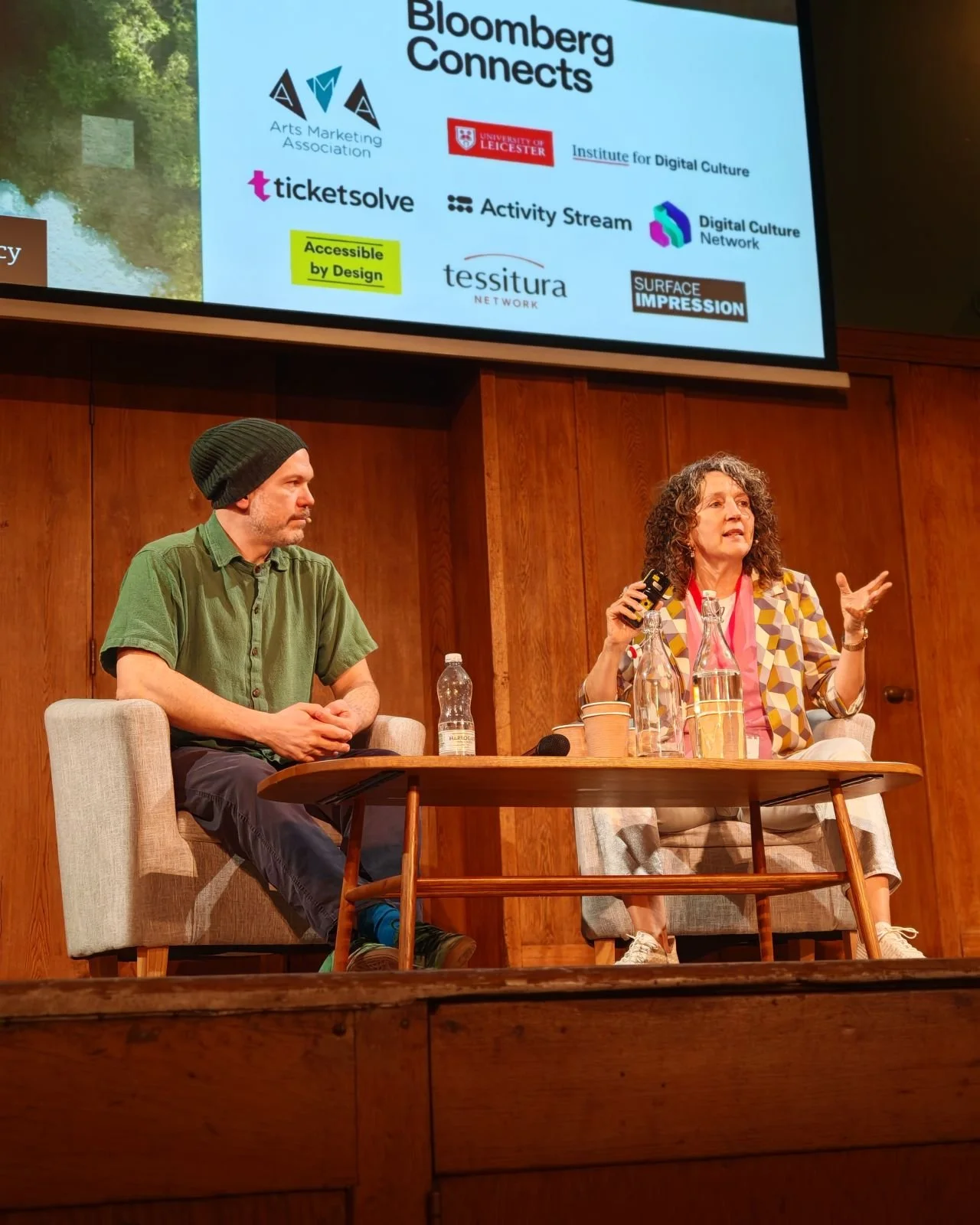
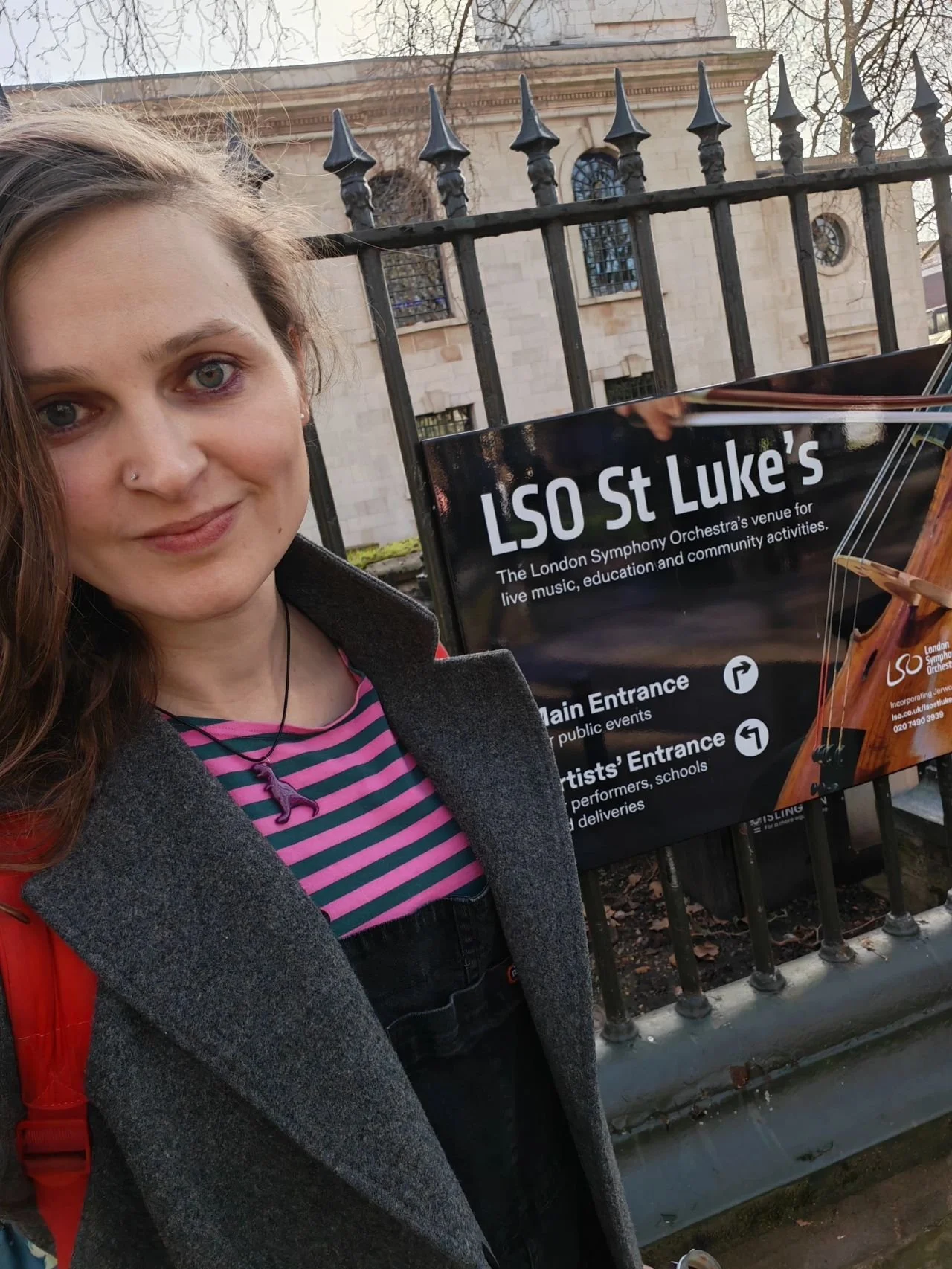
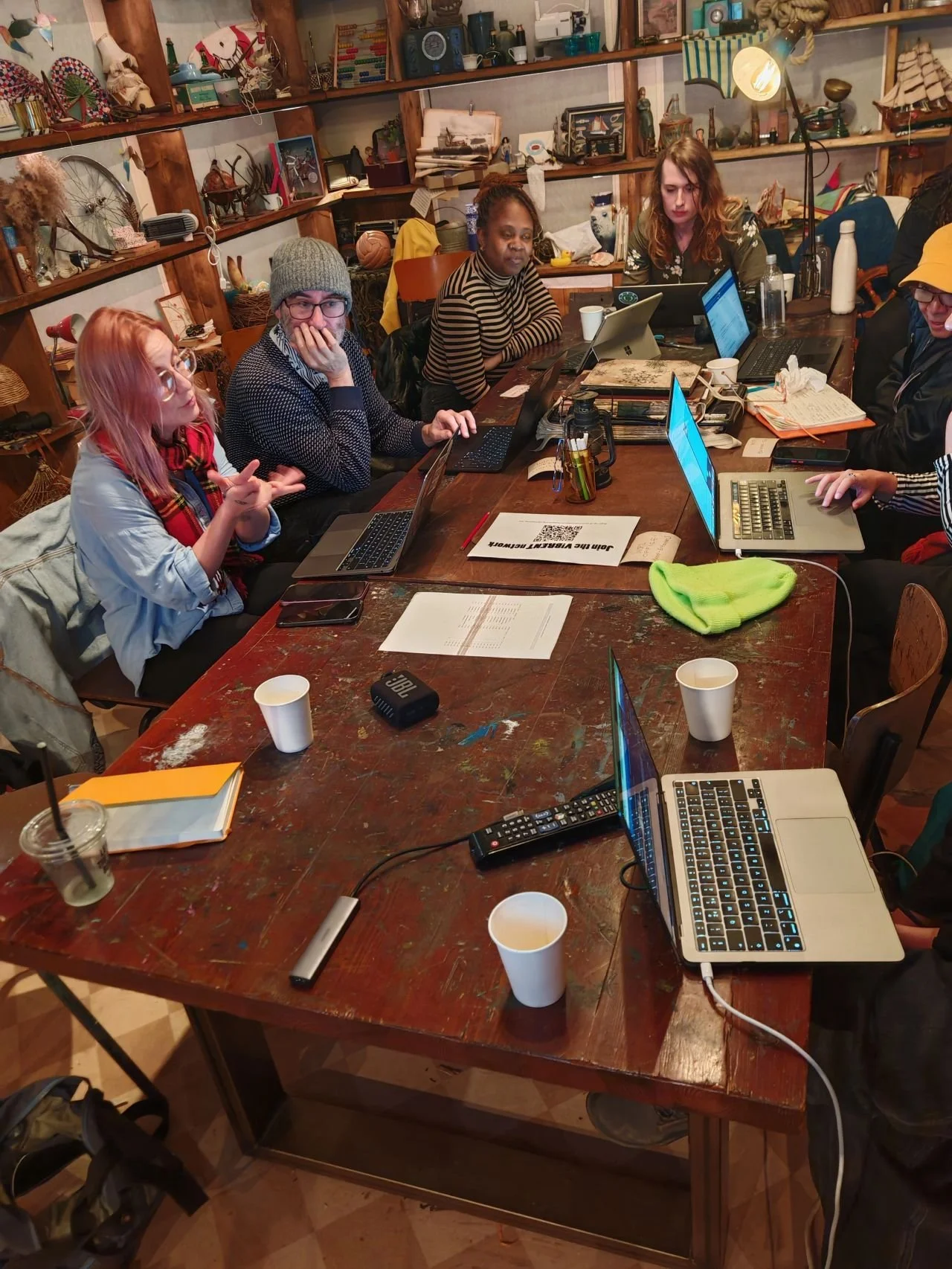
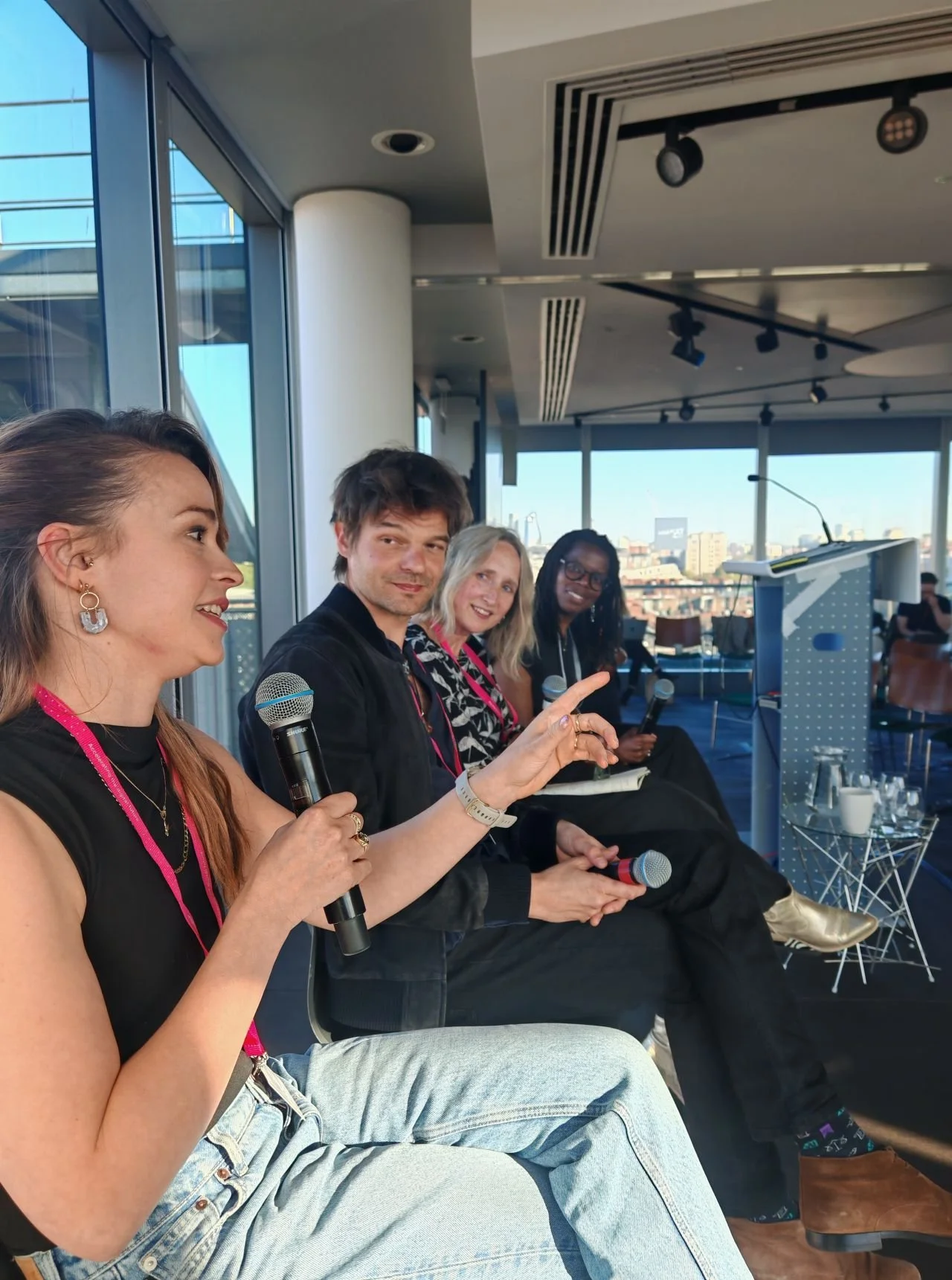
It's been a busy few months, so rather than post about each event separately I wanted to gather them in one place. Here's a short round-up of some of the talks, workshops and events I've taken part in across spring 2026, working with organisations and audiences across the arts, culture and technology worlds.
London Symphony Orchestra (March/April)
In the spring, I facilitated a three-hour workshop and discussion with the London Symphony Orchestra board. As always, I aimed to act as a neutral guide (learn more about my reasons for this approach) and help bring out the conversations AI can invite, so that more voices feel confident discussing it. Board-level sessions are some of the work I find most interesting, since the questions that surface there tend to shape how a whole organisation approaches the technology.
Let's Get Real: AI Conference, The Audience Agency (19 March)
I returned from The Audience Agency's Let's Get Real: AI conference, marking the close of a programme I was proud to be project partner on over the past year. Running from April to December 2025, we worked with 32 leaders and practitioners from 16 UK cultural organisations to explore experiments and strategies around AI that were specific to their own contexts, values and interests. The results were varied and often fascinating. The full report is now published, alongside my own reflection piece, 'Culture and the machine'. I'm also glad to say I'll be joining Let's Get Real again to support its Social Impact + AI cohort, running from June to December 2026. Thanks to Jane Finnis and Anra Kennedy for bringing me in, and to the whole Audience Agency team.
Norfolk & Norwich Festival (24 March)
A full day with the Norfolk & Norwich Festival, my first time working with the team, and plenty of room across the day for the kind of playful, hands-on experimentation I think these sessions do best. It was a lovely one for me personally too: my first arts job was in Norfolk, at Sheringham Little Theatre, so it's always a pleasure to come back to the county and to one of my favourite cities. Thanks for having me.
The Postal Museum (25 March)
A morning speaking with the team at The Postal Museum (the London museum and archive telling the story of the postal service and its place in British social history). I enjoyed hearing the range of thoughts and perspectives on AI in the room. Thanks to Julia Ross and the team for the invitation.
Punchdrunk Enrichment (26 March)
An afternoon and evening AI playfulness session with Punchdrunk Enrichment in Wembley (the participatory arm of the immersive theatre company Punchdrunk, which creates work in schools and communities). We got into AI ethics, how to learn and experiment sustainably, and where people draw their own lines between skill replacement and innovation. We also put some time aside to do a little vibe coding and create our own computer games. Thanks to Bel Parker and the whole team.
Australasian Orchestra Management and People & Culture Conference (21 April)
Later in April I joined the Sydney Symphony Orchestra, Melbourne Symphony Orchestra and Orchestra Victoria virtually, as part of their 2026 Australasian Orchestra Management and People & Culture Conference.
Arts Council England, Digital Catapult (30 April)
At Digital Catapult in London, I gave a talk about my own practice and chaired the closing panel for 'Creative Futures: AI – Opportunity or Threat?', hosted by Arts Council England. The afternoon had plenty of highlights, including Tonya Nelson on ACE's evolving approach to AI and its upcoming initiatives with the sector, reflections from Austin Daboh OBE, and a talk from Chanell Daniels on responsible AI use and development. Thanks to Rachel Victor-Sampson for bringing me in, and to my panellists Anra Kennedy, Chris Green, Dr Laura Weis and Chanell Daniels. The provocations raised included whether AI might intensify our work rather than reduce it, and how the ambiguity of 'ownership' around AI-produced work can run against the interests of professional creatives. The event closed with a performance from The Next Cut.
Abbey Road Studios (18 May)
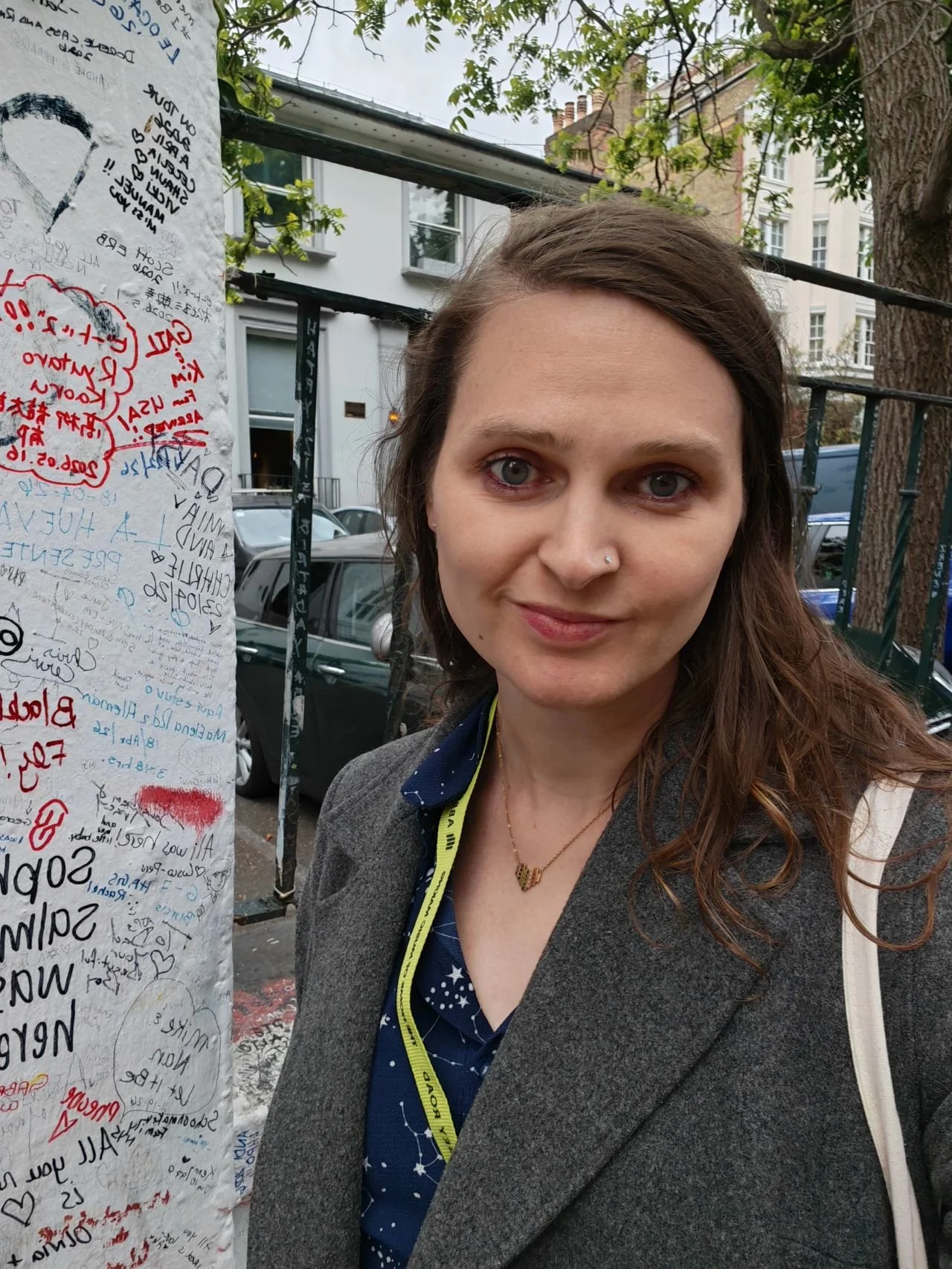
A morning at the iconic Abbey Road Studios followed, for the AI Salon, where the group discussed AI's role in the arts, culture and creative industries and the concerns, criticism and curiosity being explored across the sector. Thanks to Sally Davies for the invitation. I was particularly drawn to recent work on digital watermarking and rights protection for creators, and how different parts of the creative arts might begin to engage with those processes, which feels like one of the more practical fronts in the conversation about protecting creative work.
Barbican Centre, ECHO conference (3 June)
June opened at the Barbican, where I spoke about AI ethics in arts and culture for the ECHO (European Concert Hall Organisation) conference, on a programme bringing together concert halls from across Europe. It was a good chance to think about these questions with an audience working specifically in music and live performance.
Royal Ballet and Opera, RBO/SHIFT 2026 (5 June)
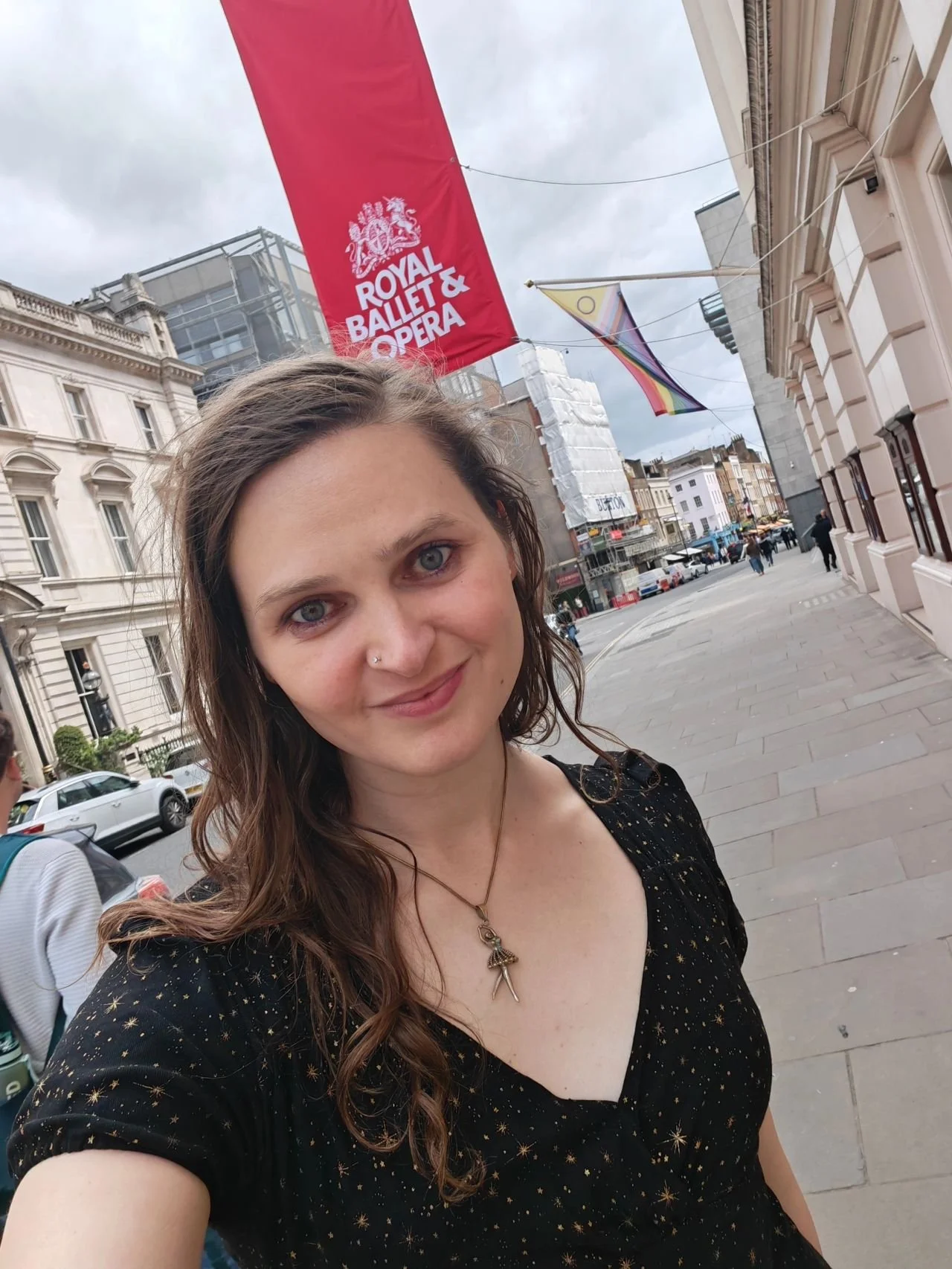
Two days later I was at the RBO/SHIFT festival with a talk called 'My Most Emotional Moments in AI (And What They Taught Me)', reflecting on the moments in my work that have stayed with me most and what they taught me about AI in the arts. The festival ran across the whole weekend, with a packed programme exploring the meeting point of performance and technology. I also loved being on the festival’s steering committee, and I’m particularly grateful to Netia Jones from RBO for inviting me to take part.
ElevenLabs and ARTIFACT Futures (11 June)
The run finished with a black tie reception by ElevenLabs and ARTIFACT Futures at Leighton House, and a lot of good conversations across technology and the creative arts that I'm looking forward to continuing in the coming weeks. It was a pleasure to meet so many people working across both worlds in such a beautiful setting.
If you'd like to learn more about how I work with arts, culture and heritage organisations around AI, through workshops, talks and longer partnerships, you can find out more across this site or get in touch at jocelyn@aiforculture.com. You can also sign up for my newsletter here.