Lecture at Goethe-Institut
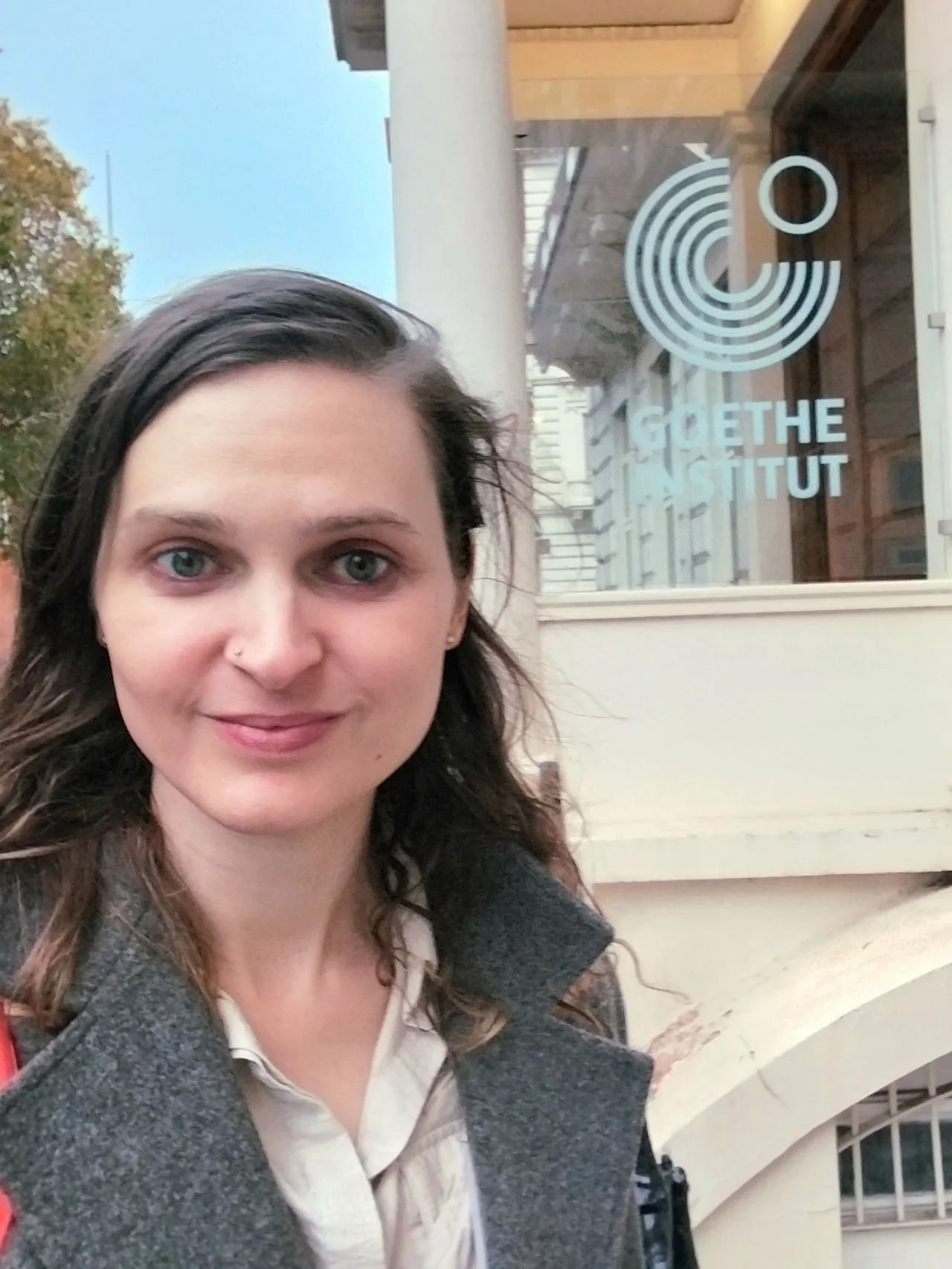
It was a huge privilege to deliver a two-hour lecture at the Goethe-Institut UK in South Kensington this weekend, exploring AI specifically in the context of language, education, emotion and empathy.
While researching and preparing the session, I found myself reflecting on how the most affecting AI experiences I've encountered recently have been as a secondary participant to somebody else's use. For the first time, I found myself asking a friend the inevitable question "That last message you sent me - did you write it yourself, or was it AI?" and then unpacking my feelings towards it once confirmed. Another person in my life has talked openly and positively about using an AI to help them work through trauma, and another friend of mine recently believed that a piece of AI video floating around the internet was authentic.
I talk a lot about how playfulness and experimentation can be a useful vehicle for self-learning, but the examples above gave me a lot to think about in terms of how we better learn from *others* and use an application of empathy and curiosity to navigate whatever sort of world is emerging around us. I'm increasingly convinced that understanding and appreciating how our friends, family and colleagues use AI, and how they interpret AI into their intellectual and emotional worldview, is as important an aspect as anything else related to the technology. The absence of empathy seems to be judgement, and while judgement can reflect important and genuinely held values, it can also deter invitations for more valuable reflection and connection.
I'm looking forward to continuing to research and develop my own thoughts on these areas, and would enjoy picking up that discussion with any contacts here who might also enjoy it.
Also, one of the resources I found most helpful during my research into education and AI was this 'Syllabi Policies for Generative AI Repository' spreadsheet created by Lance Eaton, PhD, hosting the AI policies of over 190 different educational programmes. You can access it here (link).